- Services
- All Residential Services
- All Commercial Services
- Project Management
- Project Library
- About Us
- Contact
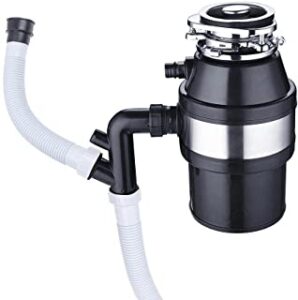
If you have a garbage disposal that has stopped working, it could be an electrical problem. If this happens call State-Wide Electric who can come to your home and diagnose the problem. If your garbage disposal cable became loose, it could fall off and create potentially dangerous circumstances.
Not every garbage disposal has the same requirements, so if you are installing or replacing a garbage disposal in your home call State-Wide Electric to ensure it is installed correctly according to the applicable codes and manufacturer’s instructions. Like refrigerators, all types of garbage disposal wiring require a dedicated type of a connector at the appliance wall penetration.
Some communities do not allow garbage disposal because of limits on sewer capacity. Make sure you are familiar with all the rules and possibilities before you intend to install one.
The replacement of a garbage disposal involves both electricity and water, which can be dangerous if not handled properly. So, having a professional is recommended to ensure all safety measures are taken. We have the tools and experience necessary to install and wire the garbage disposal. Ensuring the new unit functions safely and efficiently. And by turning to a pro, you can rest assured the job was done right and avoid any costly repairs down the line if you needed to fix something that was done incorrectly.
Here are some of the more common signs you might need a replacement and rewiring of your garbage disposal:
By recognizing the signs of a failing garbage disposal and replacing it when necessary, you can help keep your kitchen functional, safe, and efficient.
Regular maintenance and proper use of garbage disposal can help prolong its lifespan. To keep the disposal working to its fullest, avoid putting hard or fibrous materials down it as they can cause damage to the blades and motor.
When you use a faulty garbage disposal, it can lead to further damage, clogs, and potential safety hazards. And thus lead to more costly repairs in the future.
You can regularly clean your garbage disposal by using ice cubes and vinegar. This helps to remove the buildup inside the disposal, while also improving its overall performance. And thus extending the lifespan of the garbage disposal.
When choosing a new garbage disposal unit, the key aspects to consider include horsepower, noise level, and durability. Ultimately, investing in a new garbage disposal can save you from potential headaches and expenses down the line and ensure your kitchen is functioning safely and properly throughout.
Understanding garbage disposal wiring code is essential if you're installing or replacing a garbage disposal. Electrical codes are designed to keep your home safe by reducing the risk of electrical shock, overheating, and fire. Whether you're hiring an electrician or planning a DIY installation, knowing the basic requirements for garbage disposal wiring can help ensure the job is done correctly.
In most areas of the United States, garbage disposal wiring code is based on the National Electrical Code (NEC), although local building codes may include additional requirements. A garbage disposal can usually be connected with a power cord and plug or permanently hardwired, depending on the manufacturer's instructions and local regulations. Regardless of the wiring method, the disposal must be properly grounded and connected to a circuit that provides the correct voltage and amperage.
Proper garbage disposal wiring also includes using approved electrical boxes, securing wiring connections, and protecting the circuit with the appropriate breaker. If your disposal is operated by a wall switch, the switch and its wiring must also meet electrical code requirements, especially since kitchen environments are exposed to moisture.
Following garbage disposal wiring code is about more than passing an inspection. Code-compliant wiring helps your disposal operate safely and efficiently while reducing the chances of electrical failures, nuisance breaker trips, or damage to the appliance. Correct wiring also extends the life of your garbage disposal by ensuring it receives consistent power and proper electrical protection.
If you're unsure about your local requirements, check with your building department or consult a licensed electrician. Electrical codes can vary by location, and following both local regulations and the manufacturer's installation instructions is the best way to ensure your garbage disposal wiring is safe, reliable, and built to last.
According to the NEC code for garbage disposal, you can connect your food waste disposal to an electric outlet using a flexible power cord. However, you need to follow these four rules and regulations:
1. The power cord must have a grounding plug (the kind with three prongs).Electricity
Exception: If the garbage disposal is specially marked as having double insulation, it doesn’t need a grounding plug.
2. The power cord must be between 18 inches and 36 inches long.
3. Place the outlet where the power cord won’t get damaged.
4. The outlet should be easy to reach.
One of the most common questions homeowners ask is whether a garbage disposal needs GFCI protection. Under the National Electrical Code (NEC), GFCI protection is not universally required for a garbage disposal. In many installations, a standard electrical circuit is permitted, although local building codes may have additional requirements that are more restrictive. Always check with your local authority before beginning any garbage disposal wiring project.
While the NEC does not require every garbage disposal to be installed on a dedicated circuit, it is often considered the best practice. A dedicated circuit helps prevent overloads by ensuring the disposal has its own power supply, especially when the motor starts under load.
In some kitchens, a garbage disposal and dishwasher are allowed to share the same circuit, provided the circuit is properly sized and both appliances meet the applicable electrical requirements. For many standard disposal units, a 15-amp circuit is sufficient. However, larger or more powerful models often perform better on a 20-amp circuit, making it a popular choice for new installations.
Another important part of garbage disposal wiring code is the switch that controls the unit. The switch should be installed in a location that is easy to reach and within sight of the disposal so it can be safely operated. Most garbage disposals are controlled by one of two switch types:
Choosing the right switch and following garbage disposal wiring code helps create a safer installation while making the disposal convenient to use every day.
Fill out this contact form and we'll get back to you!